
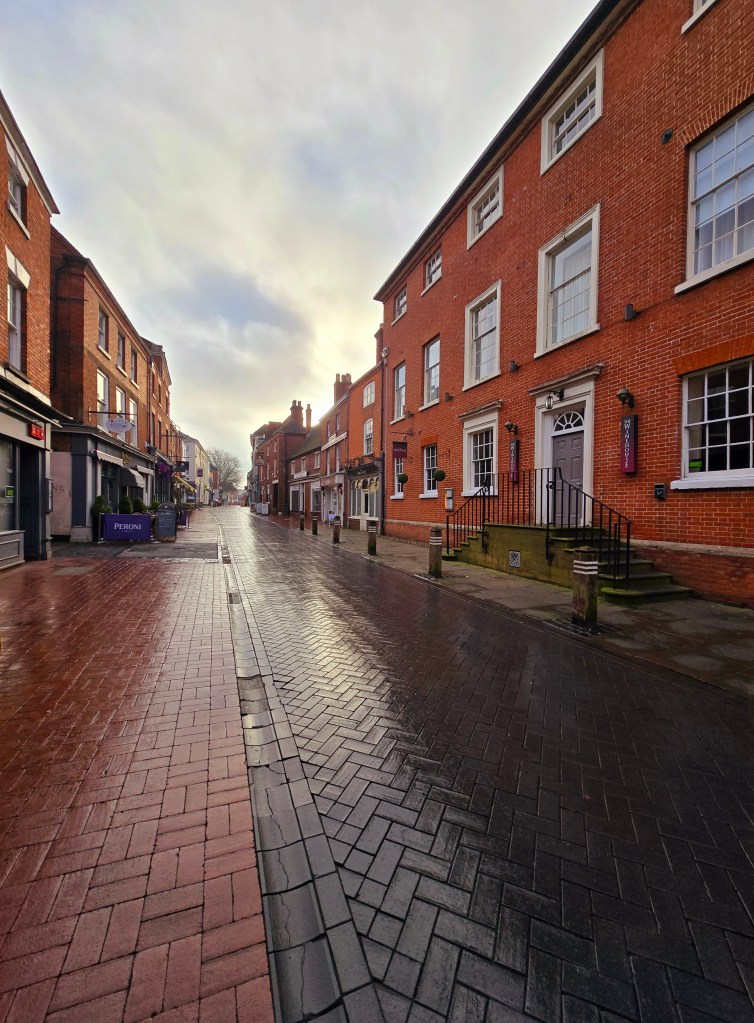
Lichfield is an historic city in the county of Staffordshire in England, 14 miles north of Birmingham. It seems to have been by passed by tourists visiting this side of Britain but for the ones who choose to spend some time here, they would be impressed by the city: a pedestrianized city centre with the beautiful Market Square, the site of a market since 1153 offers the first glimpse of the many attractions around the town.

On Market Square is St.Mary’s Church now housing Lichfield Library downstairs and The Hub at St.Mary’s upstairs, an events space with a coffee shop and a craft shop promoting local artists and vendors. “Buy local” is greatly encouraged to support the many independent shops, cafes and restaurants, found all over the city.

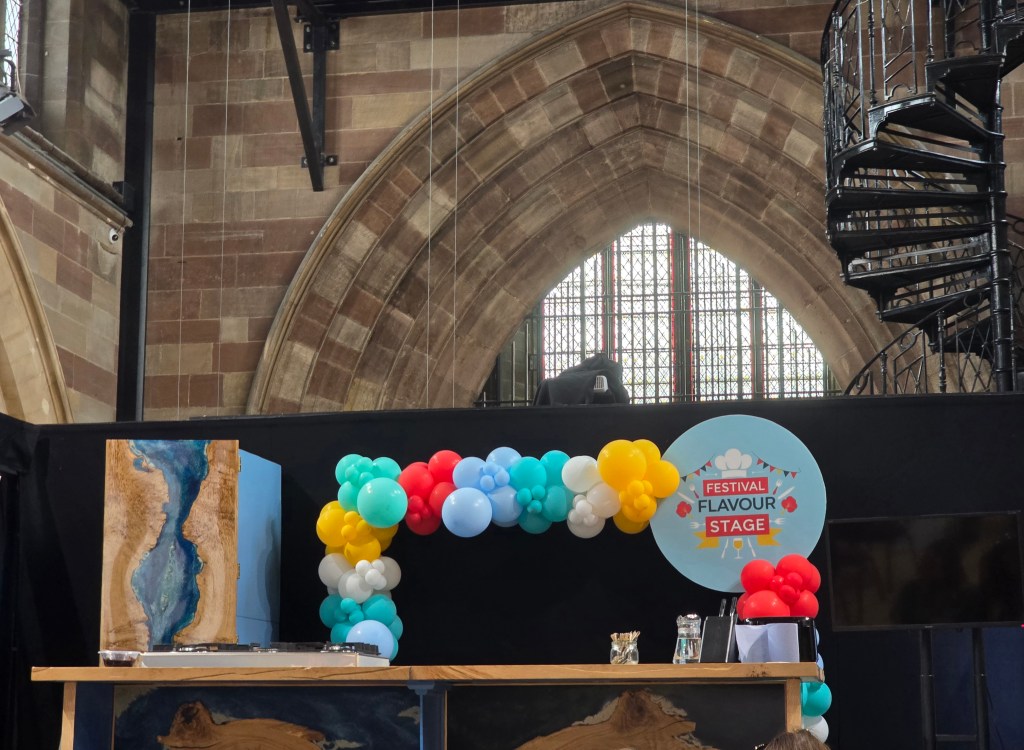
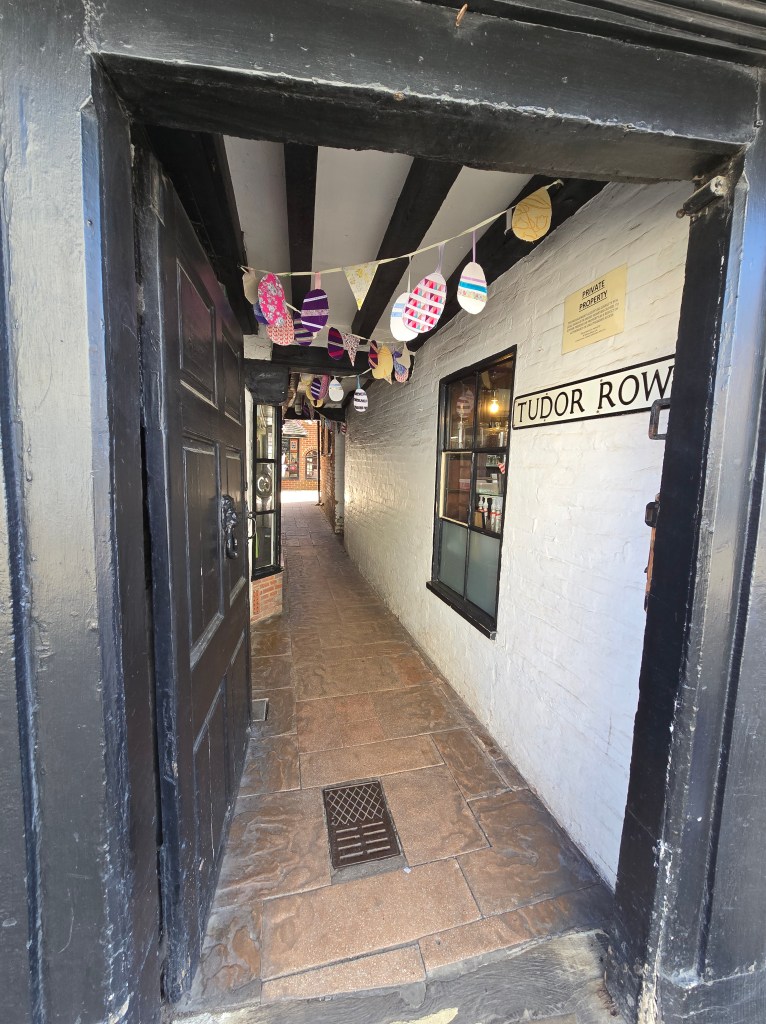
So far Lichfield has managed to escape the gentrification seen all over Britain in recent years and it managed to retain its old-worldly allure with over 200 listed buildings, including beautiful half-timbered buildings, many housing quirky shops and cafes.


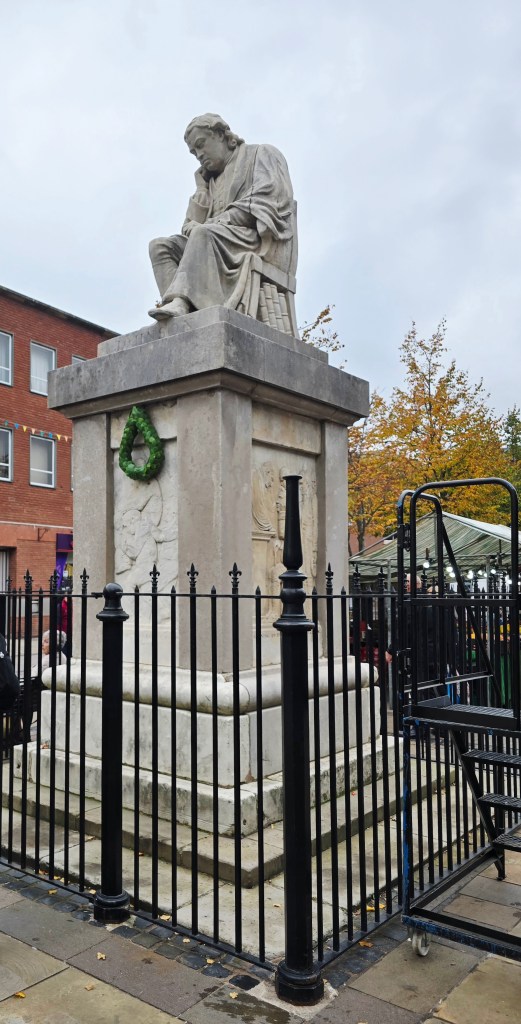
Another feature of the Market Square is Samuel Johnson statue, often referred as Doctor Johnson, he was born in Lichfield in 1709 and his birthplace (on the side of the Market Square) is now a museum housing a collection of prints, painting and sculptures. The museum is free to visit but donations are kindly accepted.

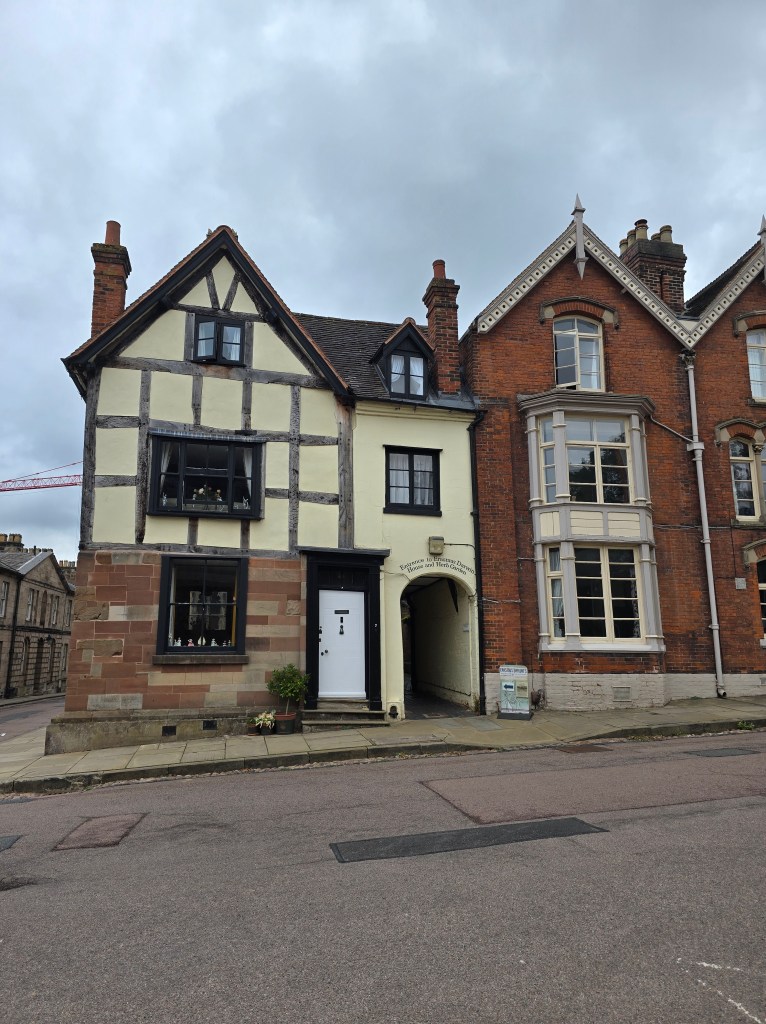
Another illustrious resident of Lichfield was Erasmus Darwin, a physician whose house has also been turned into a museum with a beautiful herb garden on its grounds.
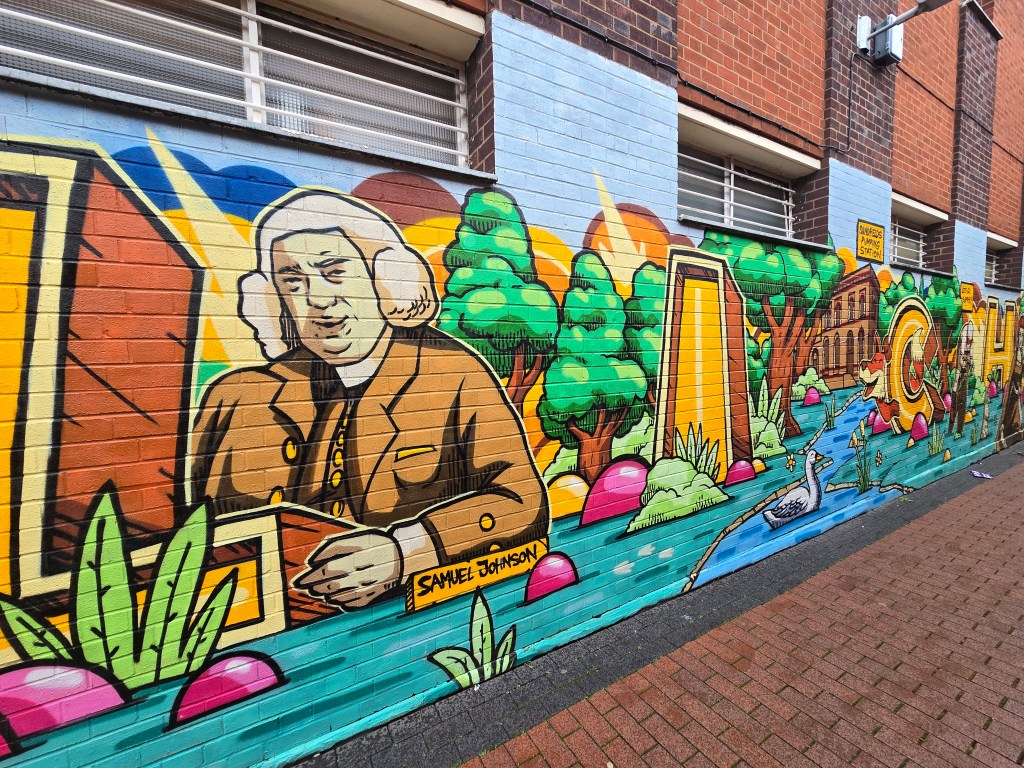
Recently the Council, to honour a number of celebrated Lichfieldians over the years, commissioned a mural to brighten a passage in the city centre. Renown graffiti artist Nacho Welles created a beautiful artwork depicting Lichfield’s landmarks and its famous residents, including Anna Seward, an English poet known affectionally as “The Swan of Lichfield” and a more contemporary local resident, Sophie Capewell MBE a gold medal Olympic winner cyclist.
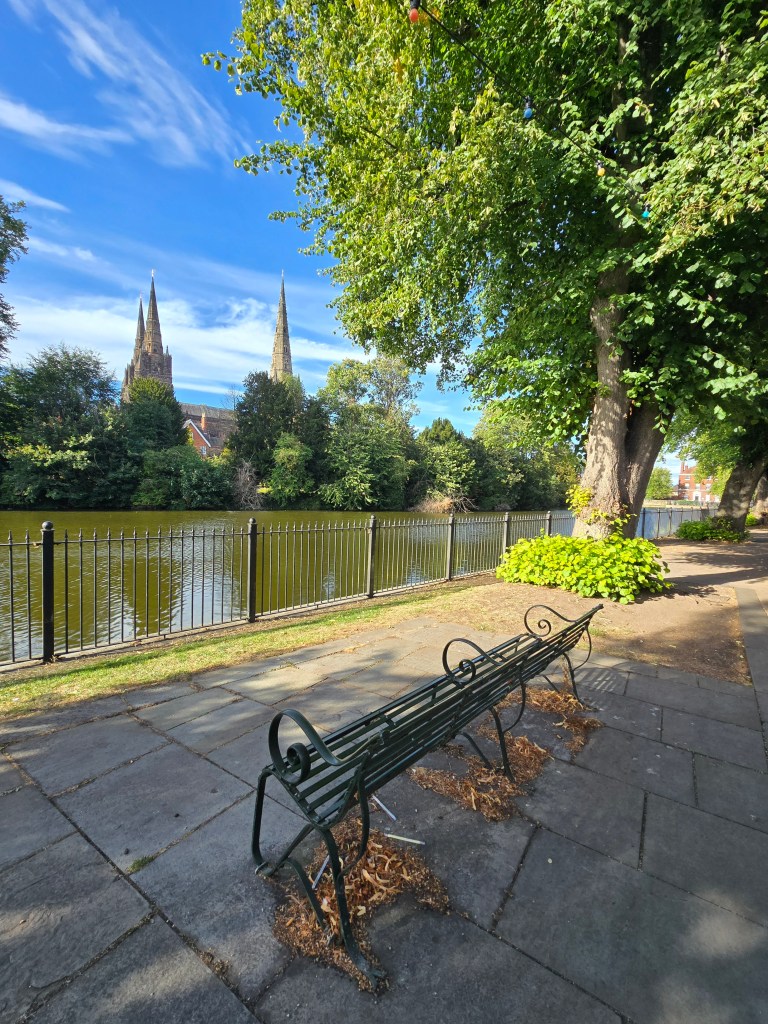
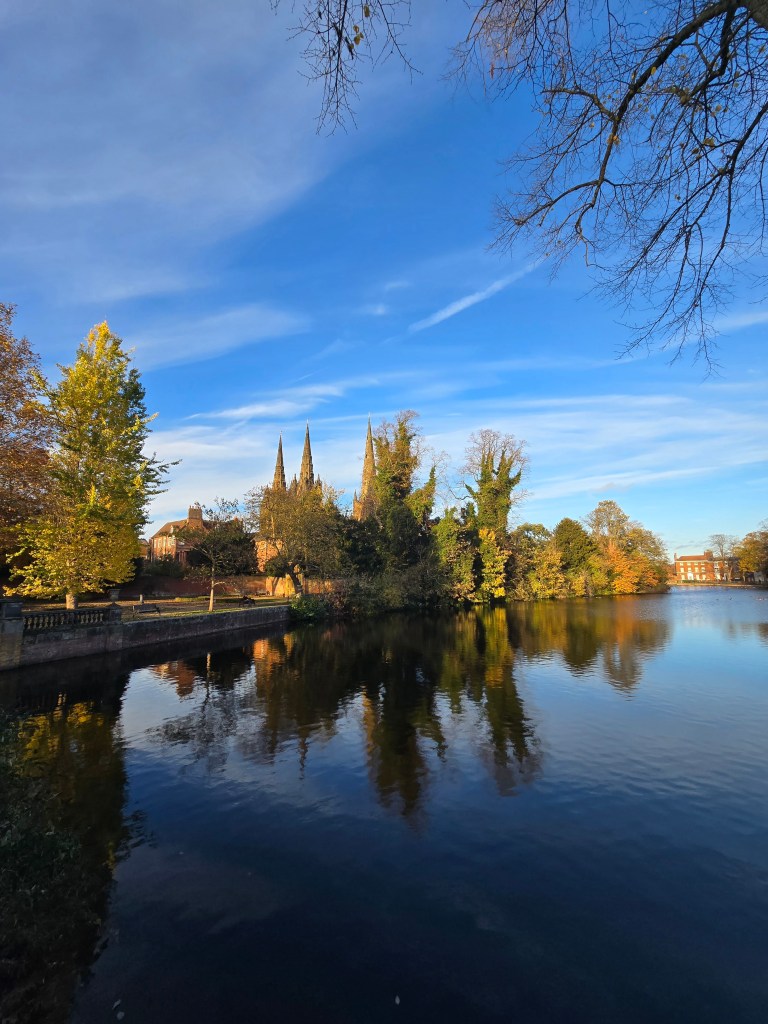
The most famous landmark in Lichfield is its beautiful cathedral; the only medieval cathedral in the UK with three spires, nicknamed the “Ladies of the Vale”.
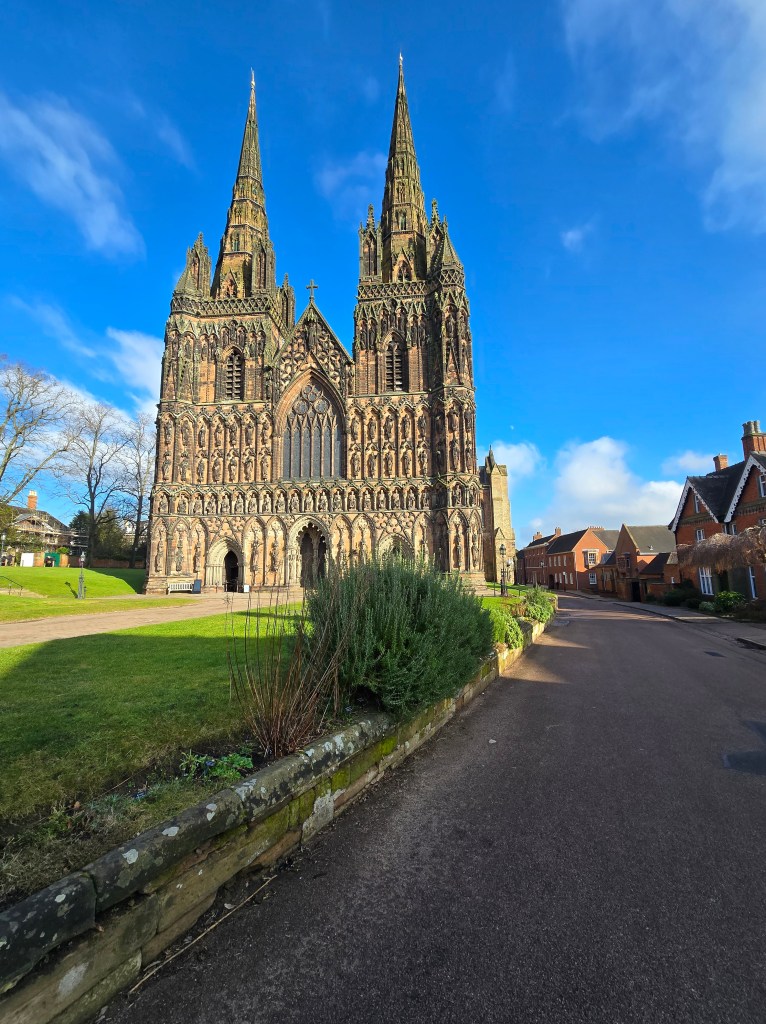
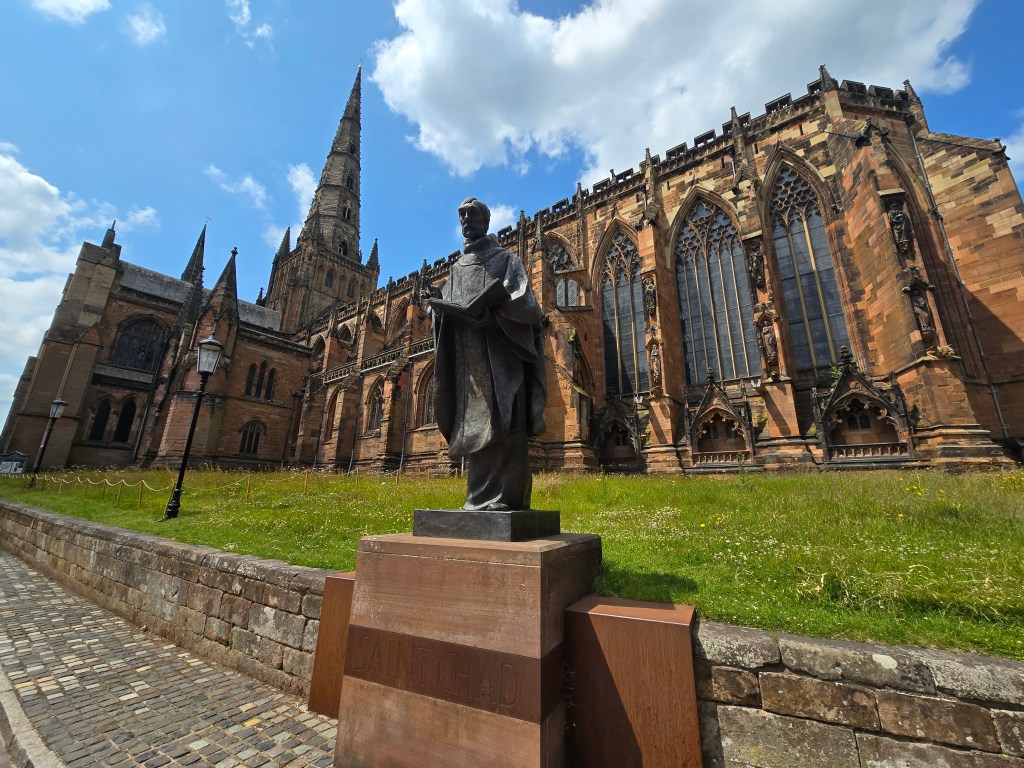
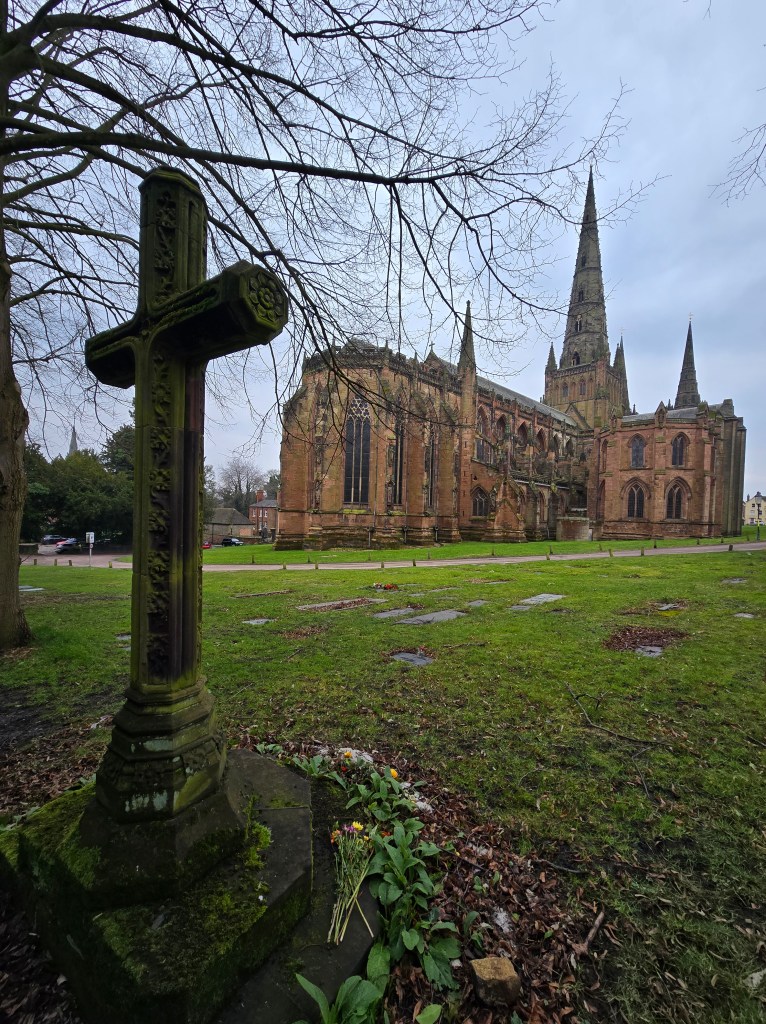
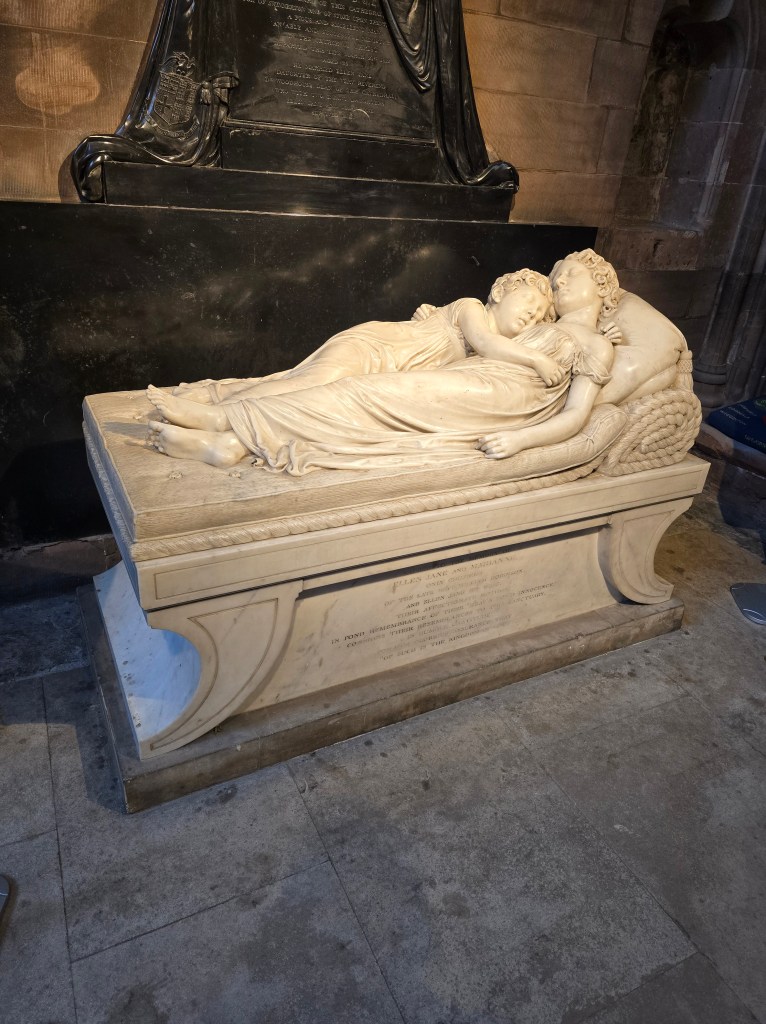
Dedicated to St.Chad and St.Mary, this Church of England cathedral has a beautiful interior housing amongst others, the 8th century sculpture of the “Lichfield Angel” and “The Sleeping Children” a poignant memorial to Ellen-Jane and Marianne Robinson two sisters depicted sleeping in each other’s arms.


The cathedral has many beautiful ornated stained glassed windows and a number of chapels including the Lady Chapel and St.Stephen’s Chapel and tours of one of its spires to admire a beautiful view of Lichfield from above are organised, conducted by volunteers. In recent years events like candlelit concerts and recitals have been held in the cathedral.


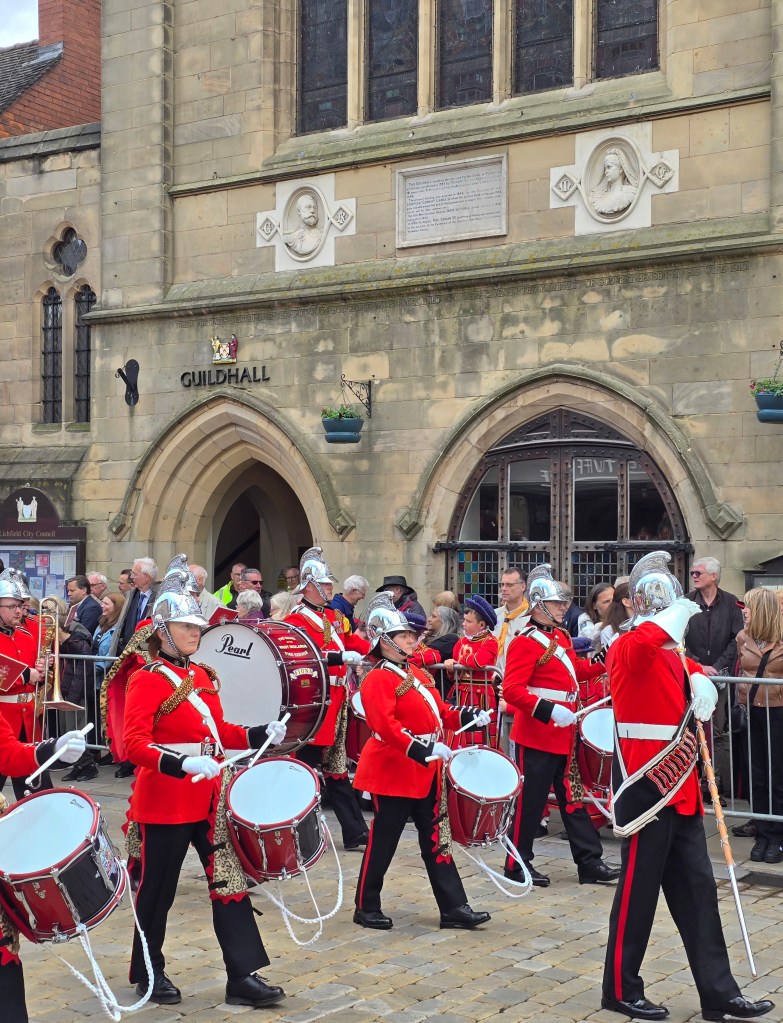
Another notable building in Lichfield is the Guildhall. Standing on Bore Street in the city centre it houses the old prison cells and various rooms including the beautiful main hall on the first floor with stained-glassed window. It is open to the public to visit on a regular basis and it is also available to hire for public functions including weddings.


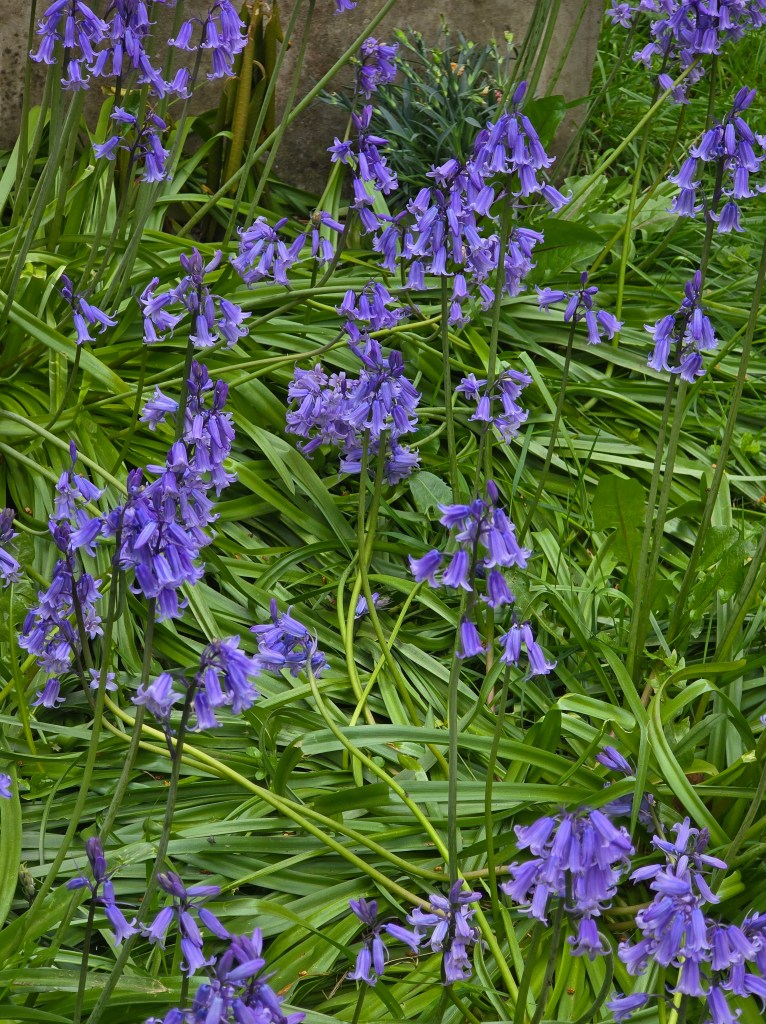
Lichfield has also a number of green spaces in and around the city like the small Garden of Remembrance, the magnificent Beacon Park and further afield, Pipe Green and Leomansley Woods.


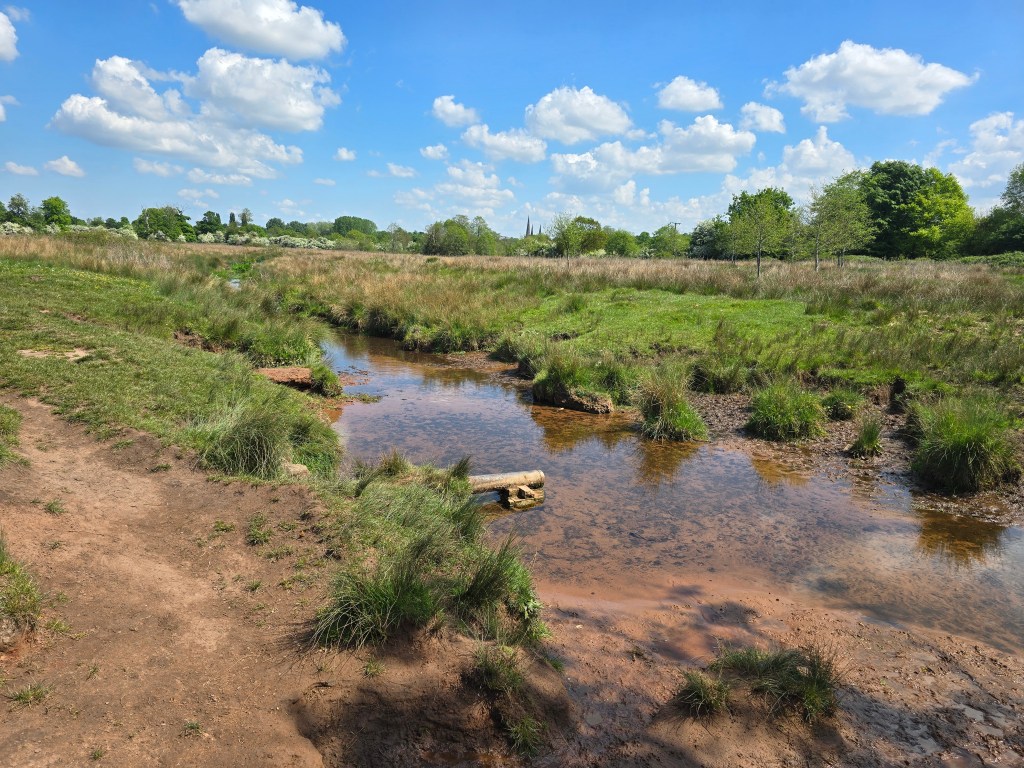

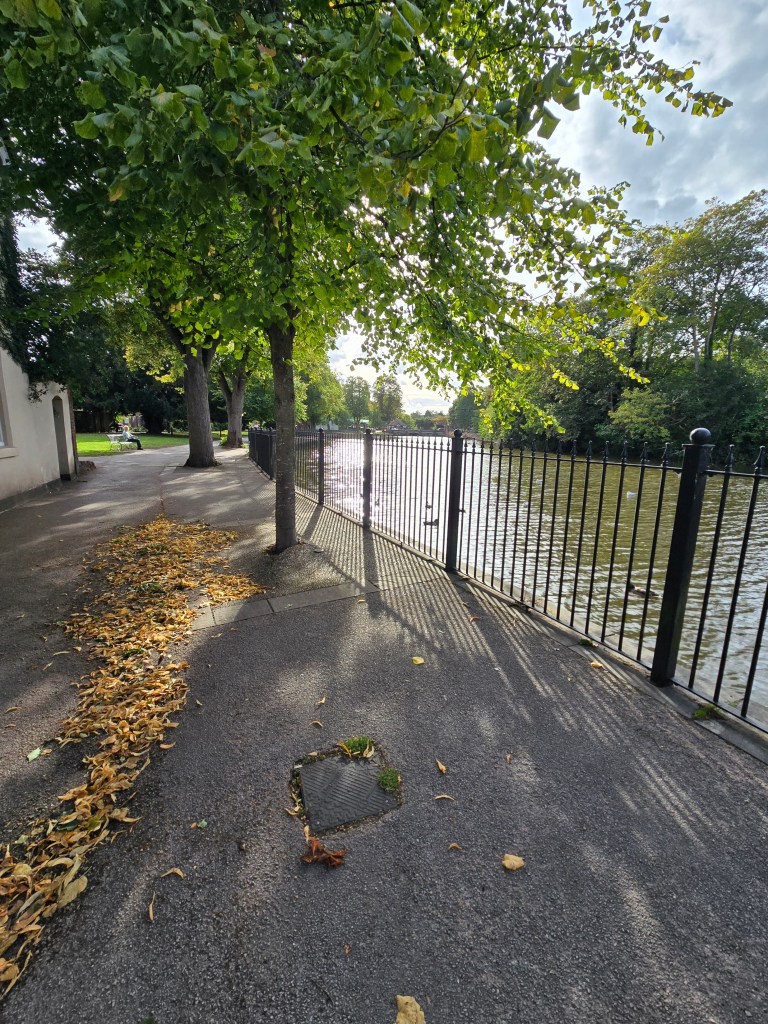
The reservoirs of Minster Pool, with beautiful views of the cathedral opposite and Stowe Pool, a larger body of water with ducks and birds are also public spaces enjoyed by both locals and visitors.

Lichfield is a year-round destination with lots of events throughout the year including the Lichfield Bower held in Spring, the Lichfield Proms in the Park and the Sheriff Ride among others.

With its proximity to Birmingham and with two train stations, Lichfield City on the Cross-City Line and Lichfield Trent Valley for frequent services to London Euston, the city is very well connected. A network of buses depart from Lichfield Bus Station opposite Lichfield City Train station to nearby villages and towns.

A visit to Lichfield can be combined with a visit to the National Memorial Arboretum near the village of Alrewas, a site of national remembrance to honour the fallen, beautiful at any time of the year but particularly in autumn with leaves changing colours among the many memorials scattered around the site.

 TRAVELLING DAVE