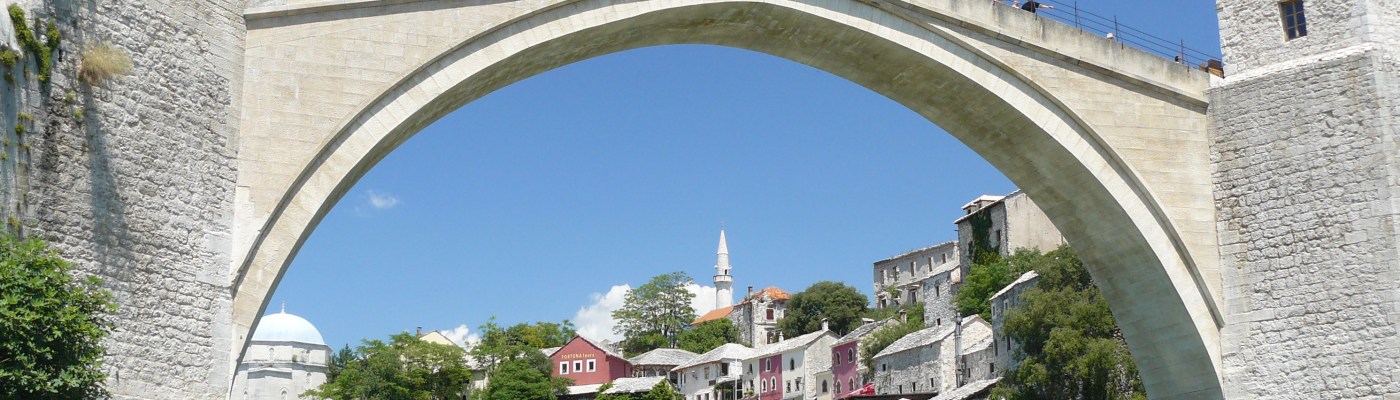
The small town of Mostar in Bosnia and Herzegovina sadly came to the world’s attention in November 1993 when, during the Bosnian War, the Old Bridge which stood over the river Neretva since 1566, was destroyed by heavy bombardments of the city.


After the war ended, the bridge was meticulously reconstructed and it has once again become the symbol of Mostar (it was recently added to the list of UNESCO World Heritage sites).

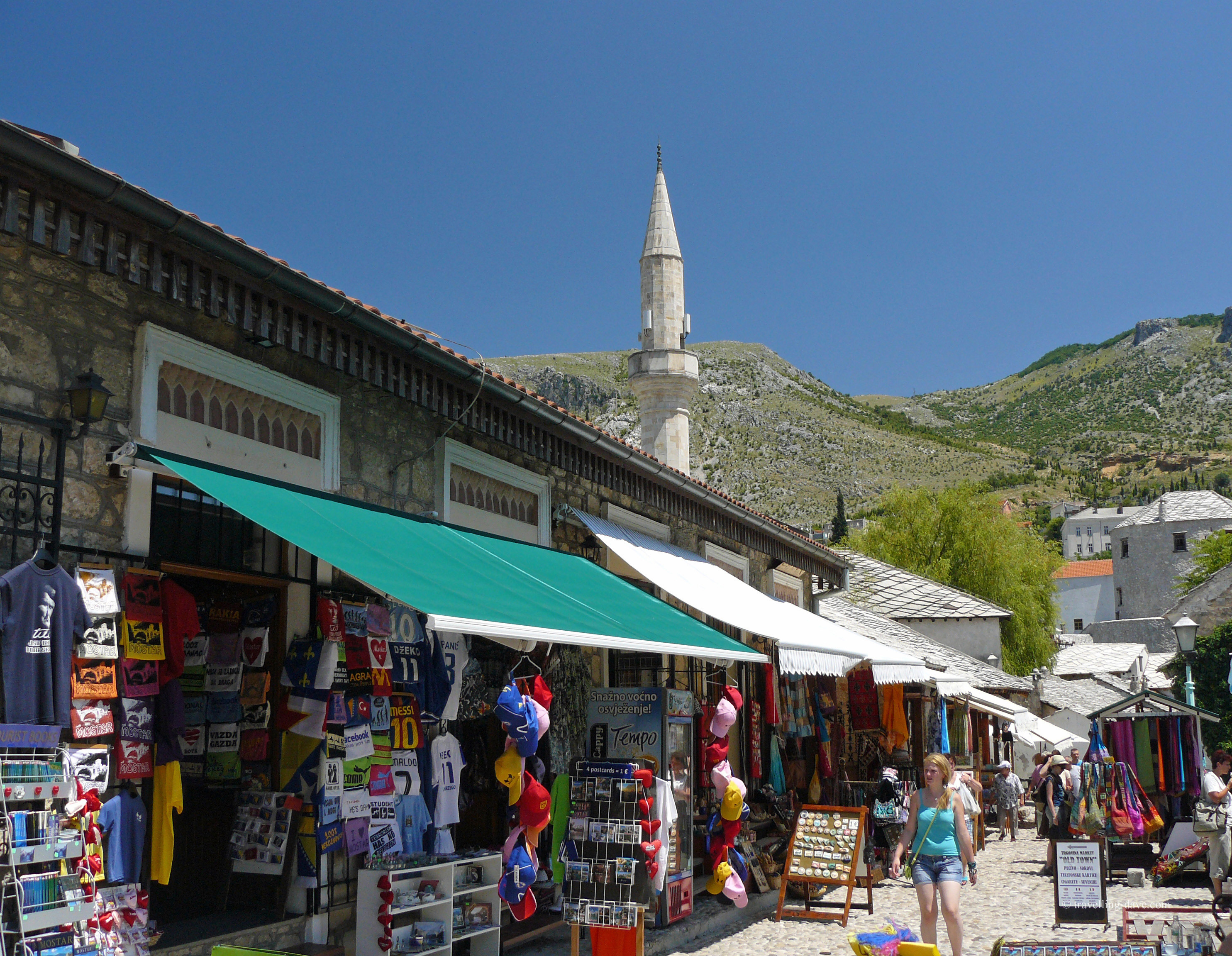
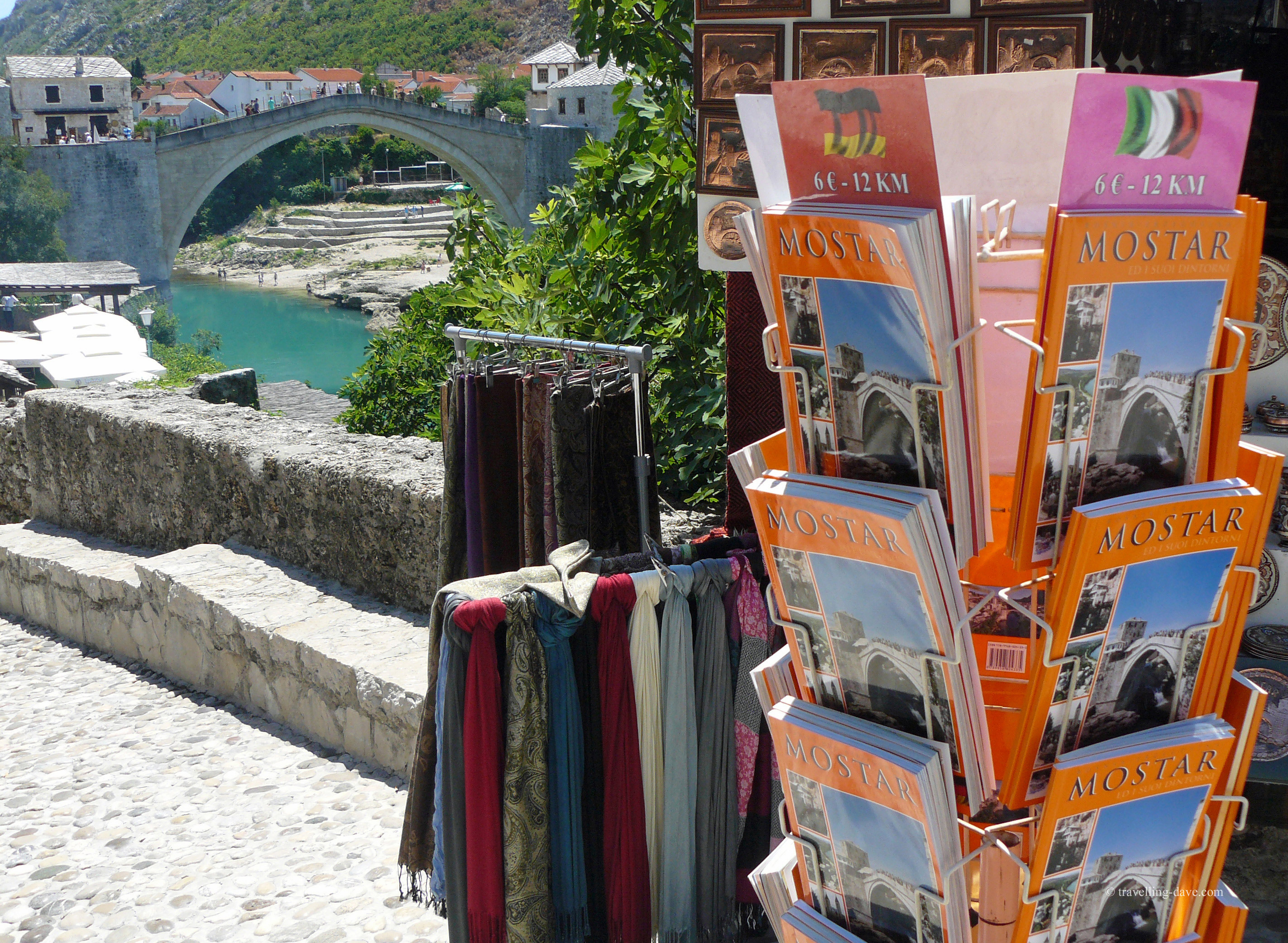
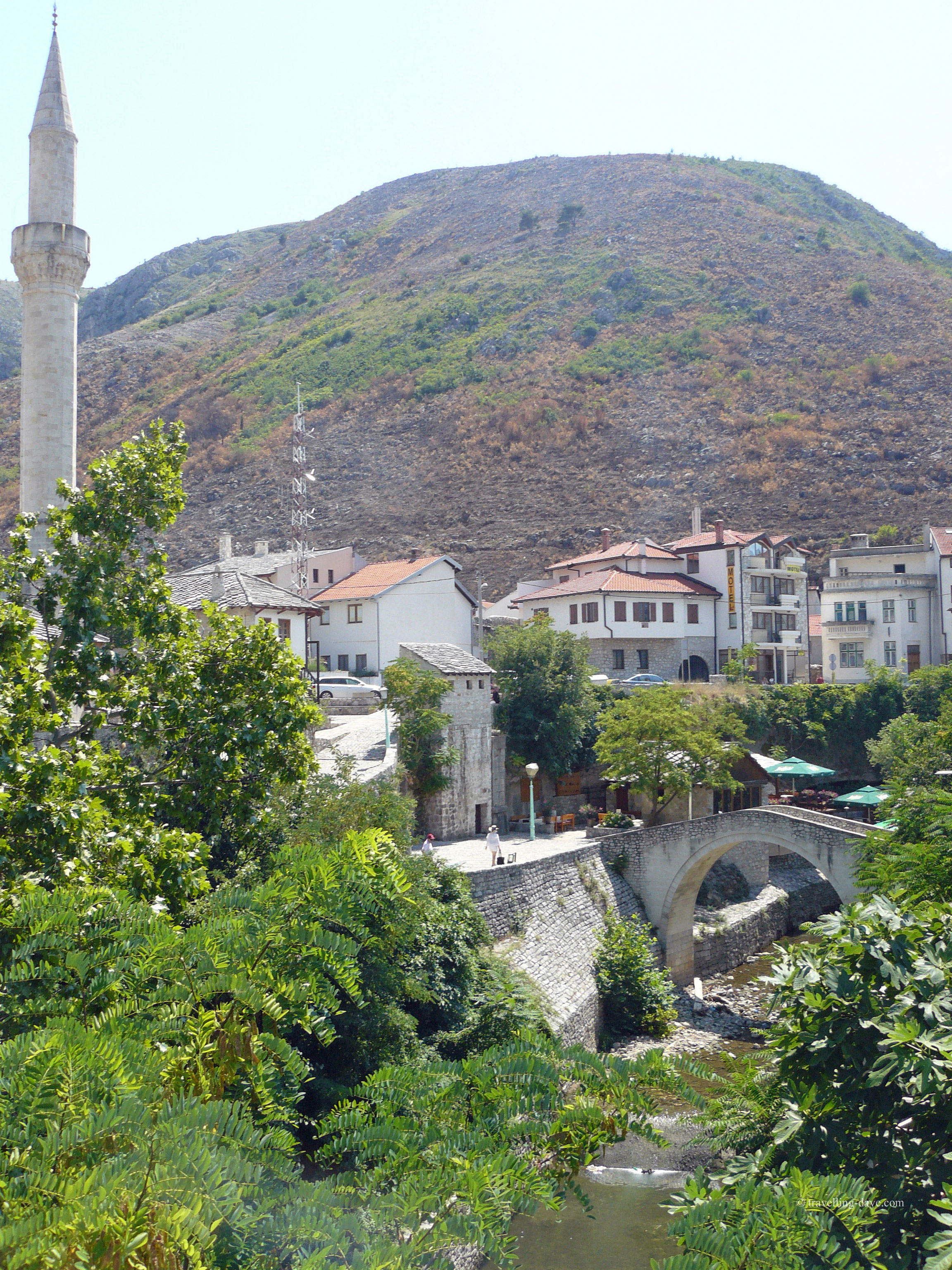
The Old Town is the main tourist area with cobbled-stone paved streets, mosques, shops, bars and restaurants but, it is the Old Bridge that visitors want to see first when they arrive in Mostar.

And for the crowds gathering on and below the bridge there is another attraction: the Mostar divers. In summer, local men (and occasionally intrepid tourists) leap from the bridge into the river below, cheered by both residents and visitors.

The narrow streets before and after the bridge are filled with small shops selling souvenirs and, copper-smiths offering their wares in an atmosphere reminiscent of a Turkish bazaar, dating back to the times when Mostar was part of the Ottoman Empire.


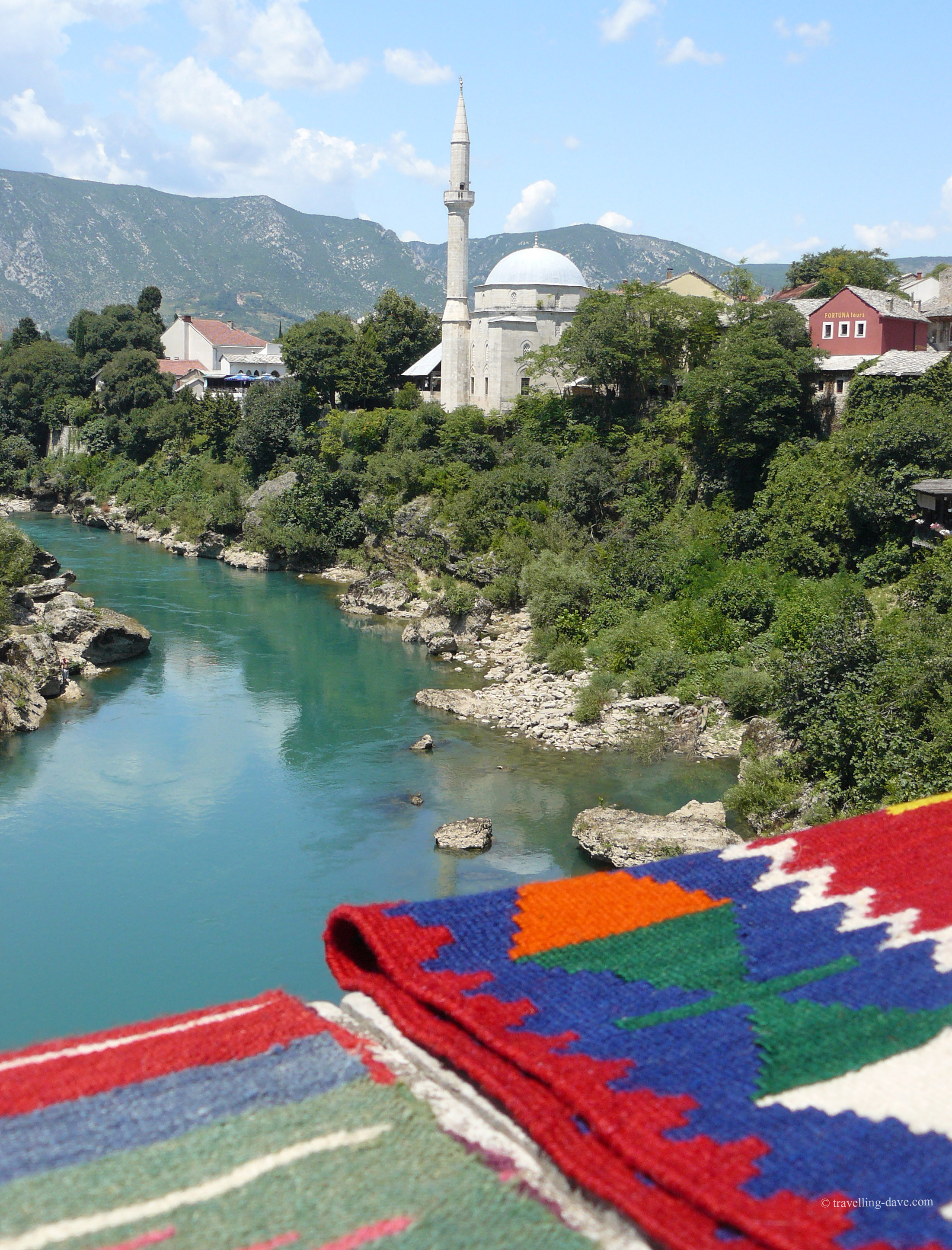
A number of important buildings destroyed during the Bosnian War have been reconstructed including Hadzi-Kurt Mosque (or Tabačica) and Koski Mehmed-Pasha Mosque.

The Crooked Bridge, a smaller version of the Old Bridge, was destroyed during floods in the year 2000 and it has also been reconstructed.
A visit to Mostar would not be complete without tasting the Bosnian National dish Cevapi, grilled mince kebabs served in a flat bread, usually with chopped onions and sour cream, available in all restaurants in the city.

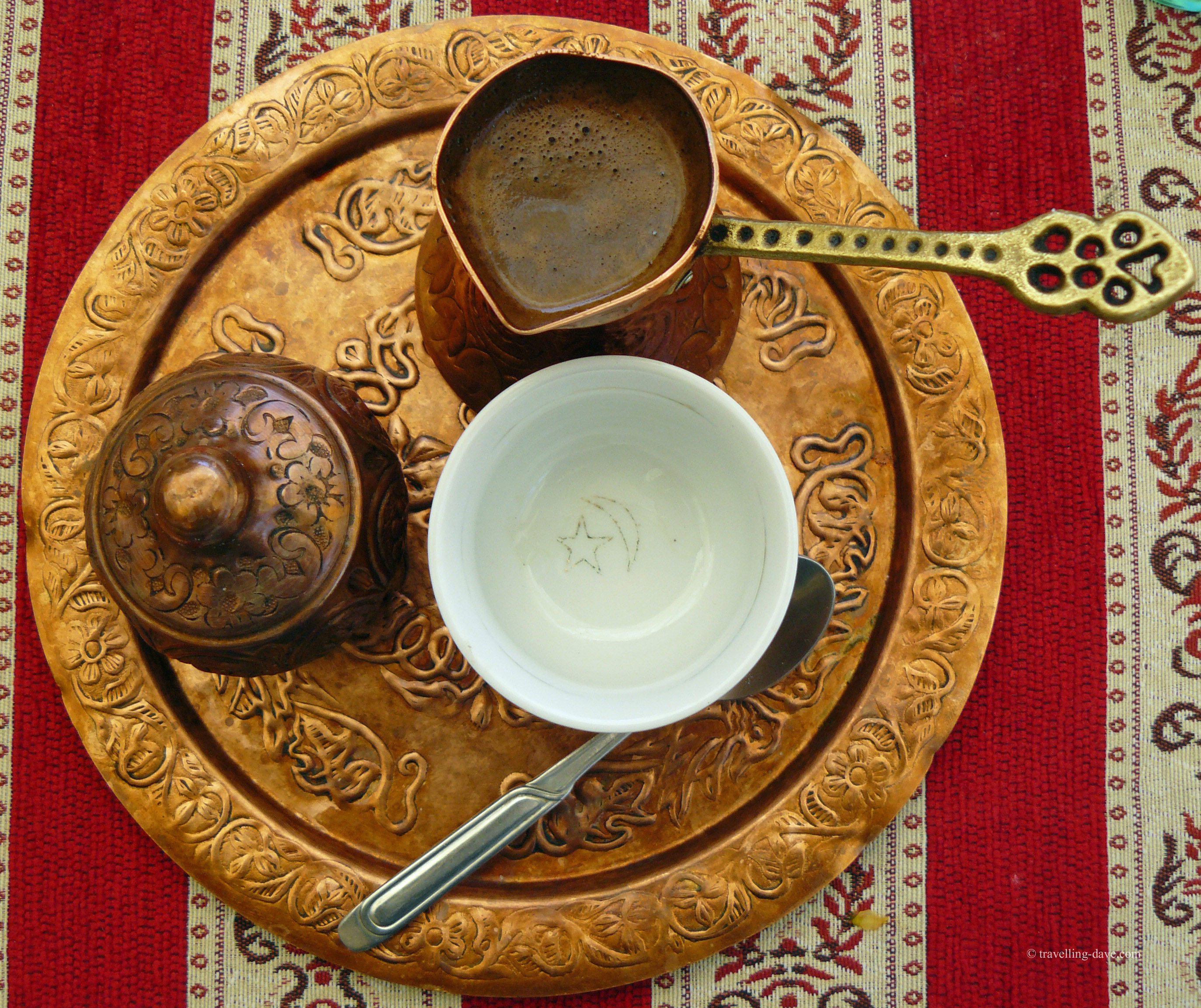
And for coffee lovers there is the chance to try a Bosnian coffee, similar to Turkish coffee: finely grounded coffee beans are added to a pot of boiling water and sugar and, poured in cups, leaving the coffee grounds to slowly sink to the bottom of the cup. It is served in traditional pots and cups sets that can be purchased in most shops in Mostar to be taken home as a souvenir.
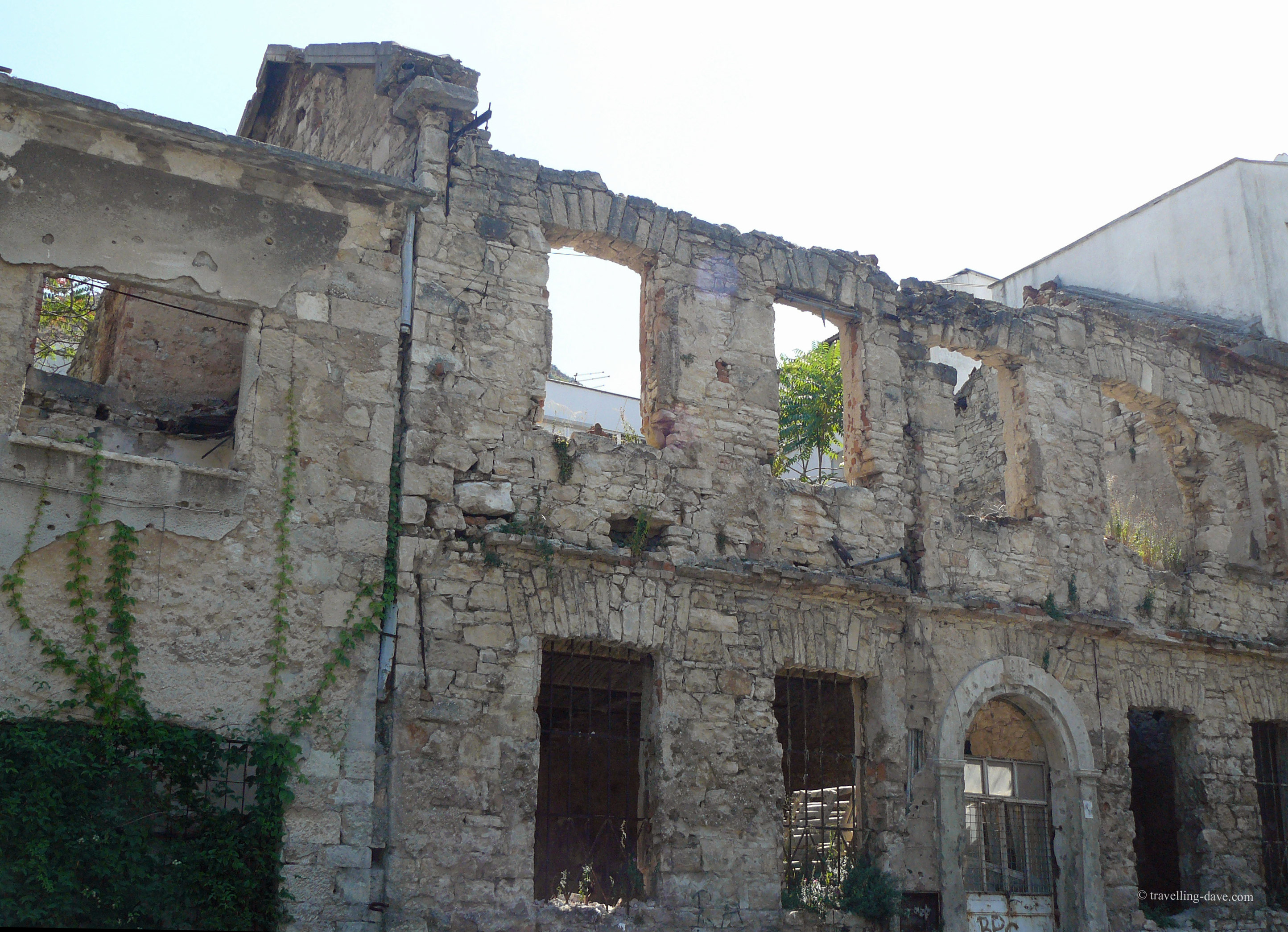
Watching closely, the scars of the recent war are still visible in some buildings in the city but, Mostar and its residents have been able to recover and welcome back visitors to this part of Europe.
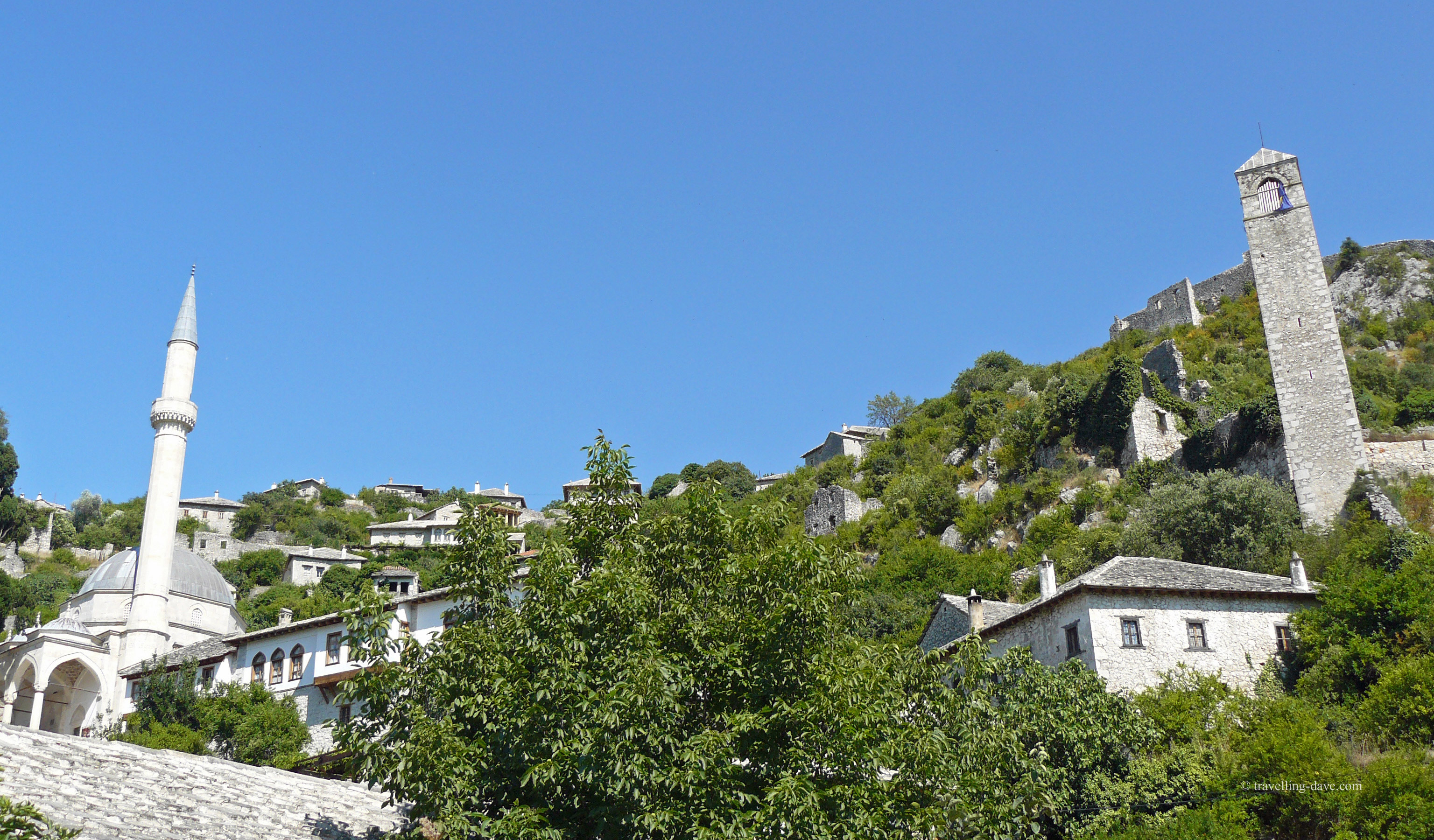
Notable destinations in Bosnia and Herzegovina not too far from Mostar are the small village of Počitelj (a UNESCO World Heritage site) for its oriental architecture and the famous religious site of Medjugorje where, following a number of supposed apparitions of the Virgin Mary, the local church of St.James’ and the surrounding hills have been attracting Catholic pilgrims from all over the world. Further away, the coast of Croatia popular with sun seekers, is just a few hours drive “down the road”.
 TRAVELLING DAVE
[…] plenty of stunning photographs that you might like to take a look at. You will find his blog at http://www.travelling-dave.com. In addition to the four above Congratulations goes to Nick Redmayne, Alastair McKenzie and Mark […]
LikeLike